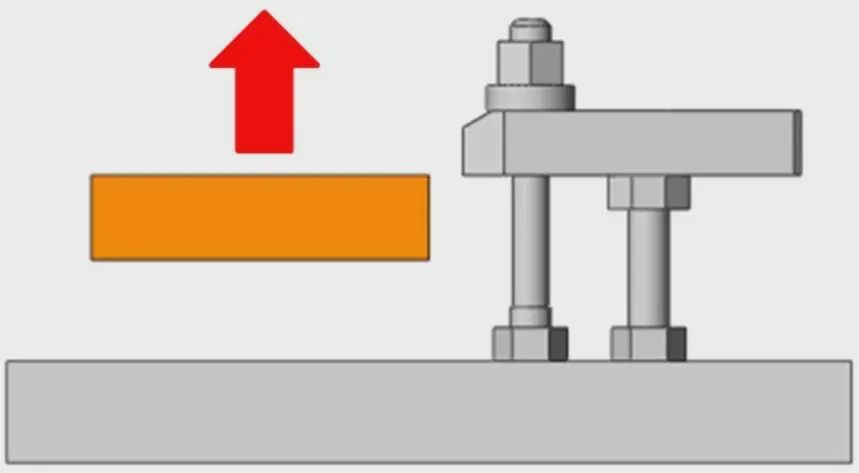
1, The basic principle of positioning from the side of the workpiece
When positioning from the side of the workpiece, like the support, the 3-point principle is the most basic principle. This is the same principle as the support element, known as the 3-point principle, derived from the principle of determining a plane from three points that are not on the same line. Among the four points, three can determine a face, so a total of four faces can be determined. However, no matter how it is located, it is quite difficult to make the fourth point in the same plane.
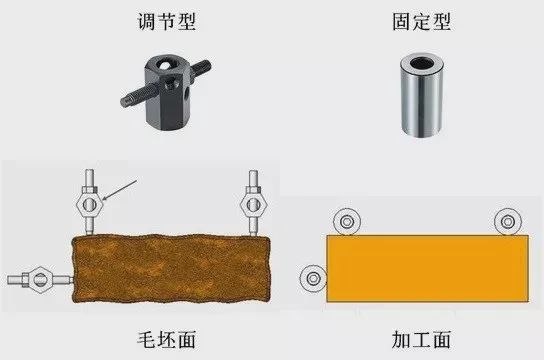
2, Basic principles for locating workpiece holes
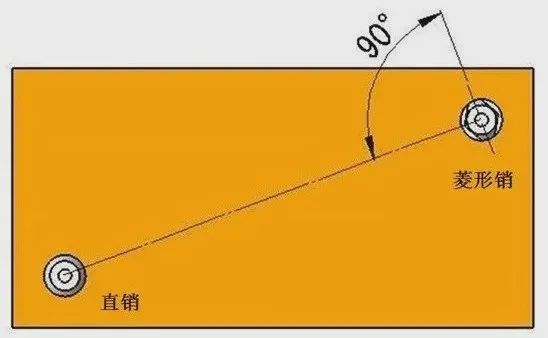
When using a straight pin and a diamond pin, the configuration direction of the diamond pin (at the point of contact with the workpiece) is usually perpendicular to the line connecting the straight pin and diamond pin at a 90 degree angle. This configuration method is for angular positioning (in the direction of workpiece rotation).
1, Classification of Clamping Devices
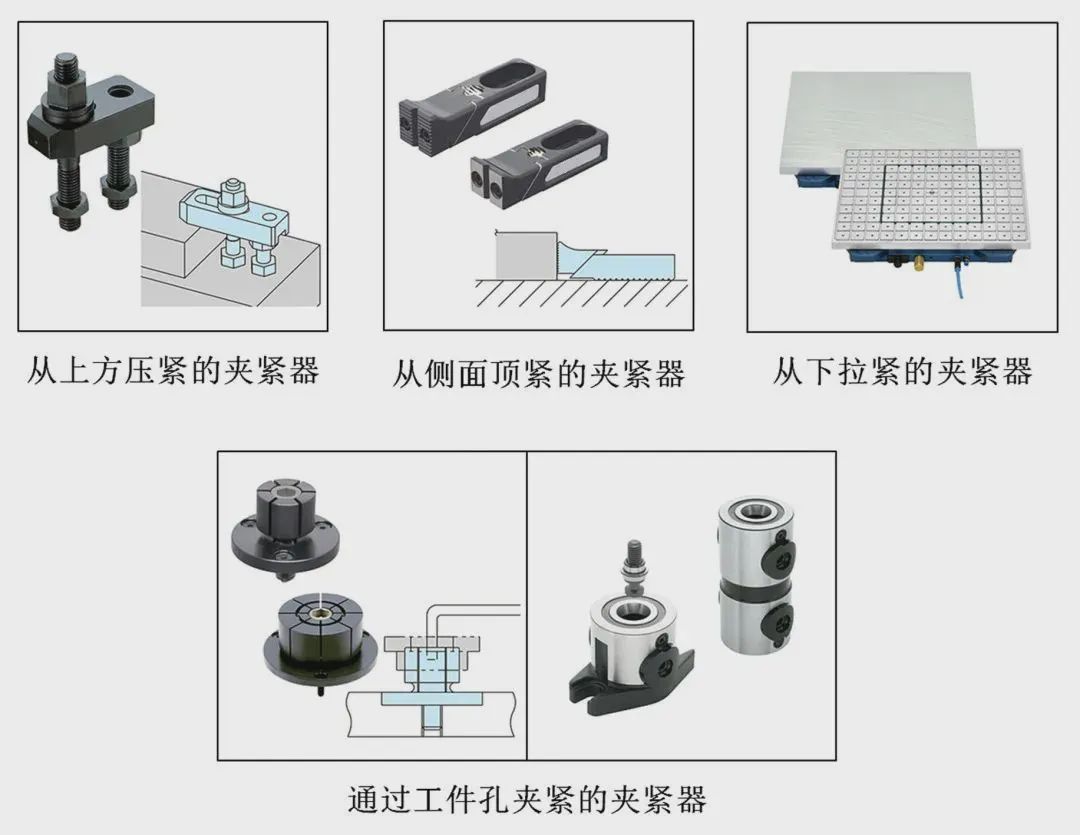
1. Clamping device pressed from above
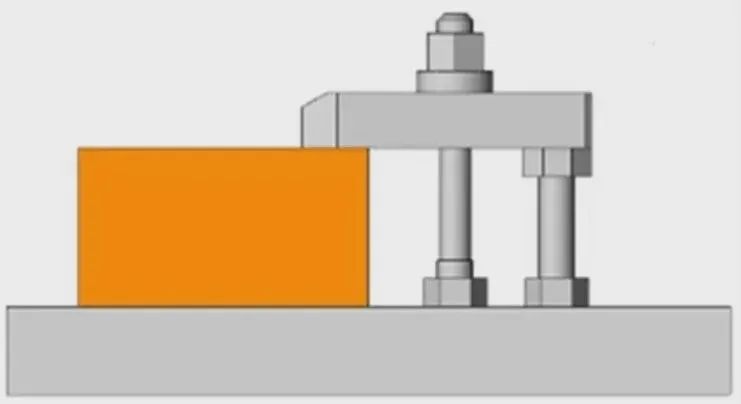
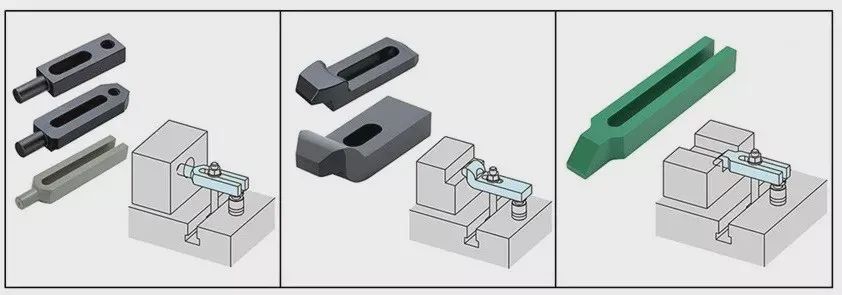
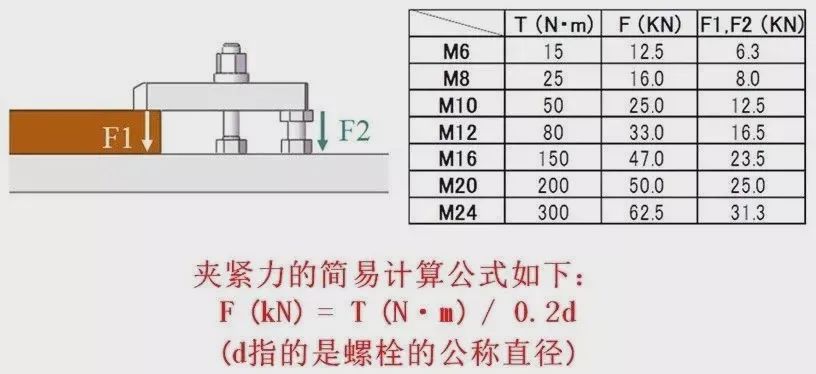
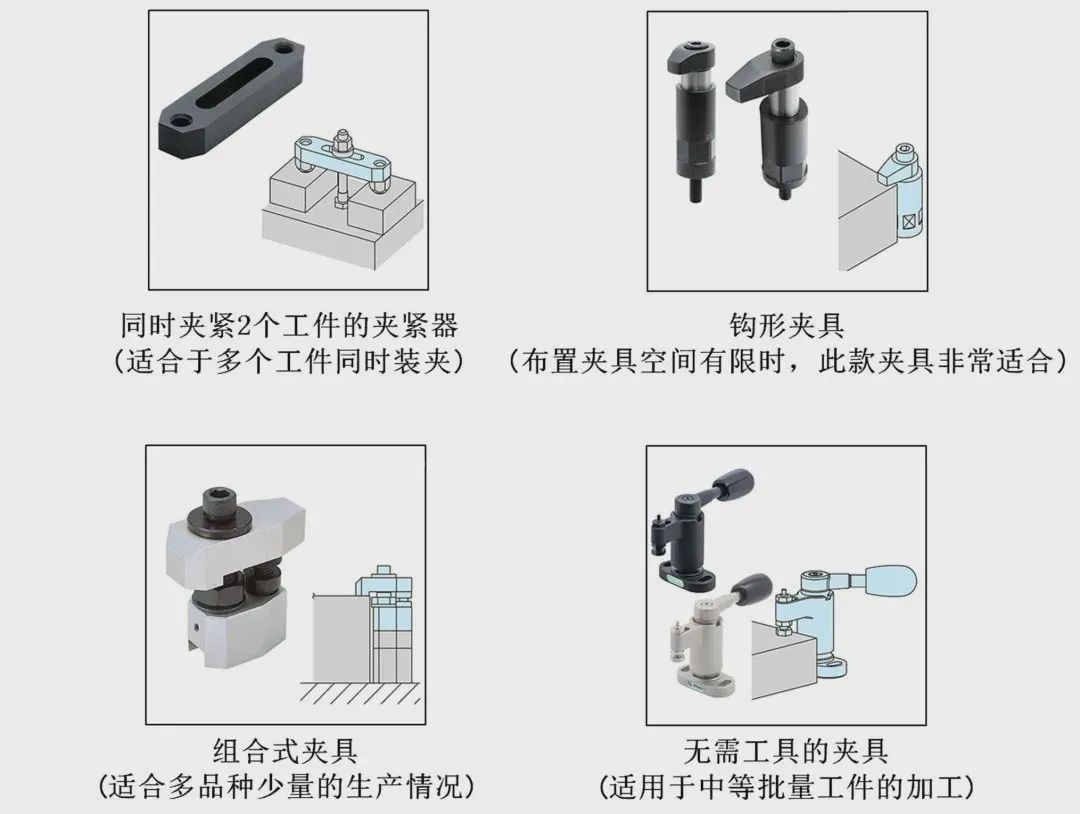
2. Clamping device for clamping from the side
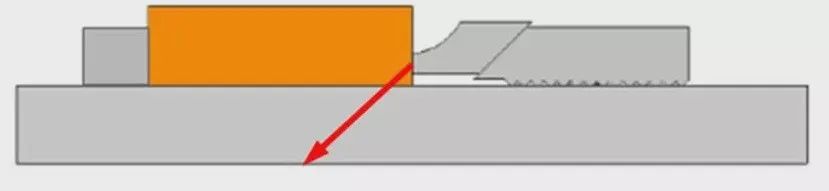
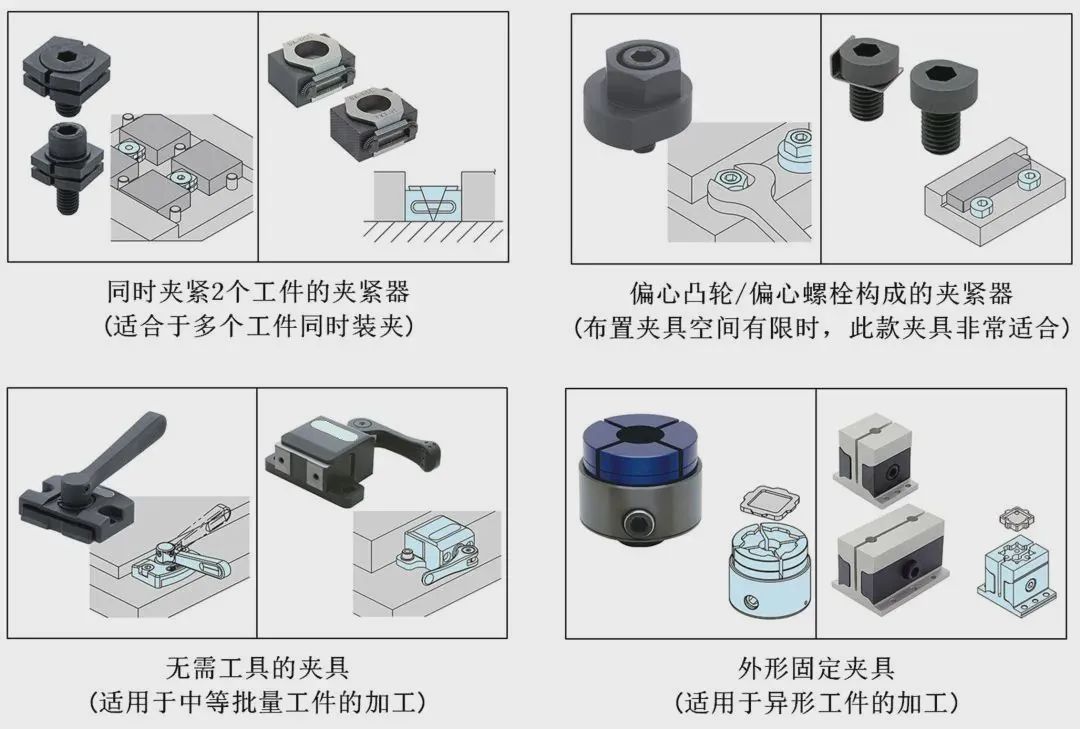
3. Clamp the workpiece tightly from the pull down position
When processing the upper surface of a thin plate workpiece, not only cannot it be clamped from above, but it is also unreasonable to press it from the side. The only reasonable clamping method is to tighten the workpiece from below. When tightening the workpiece from below, if it is made of iron material, a magnetic clamp can usually be used. When using non-ferrous metal workpieces, vacuum suction cups can generally be used to tighten them.
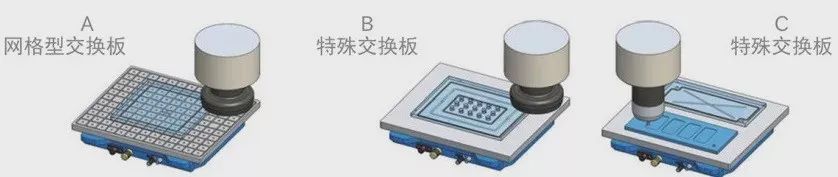
4. Clamping device using hole clamping
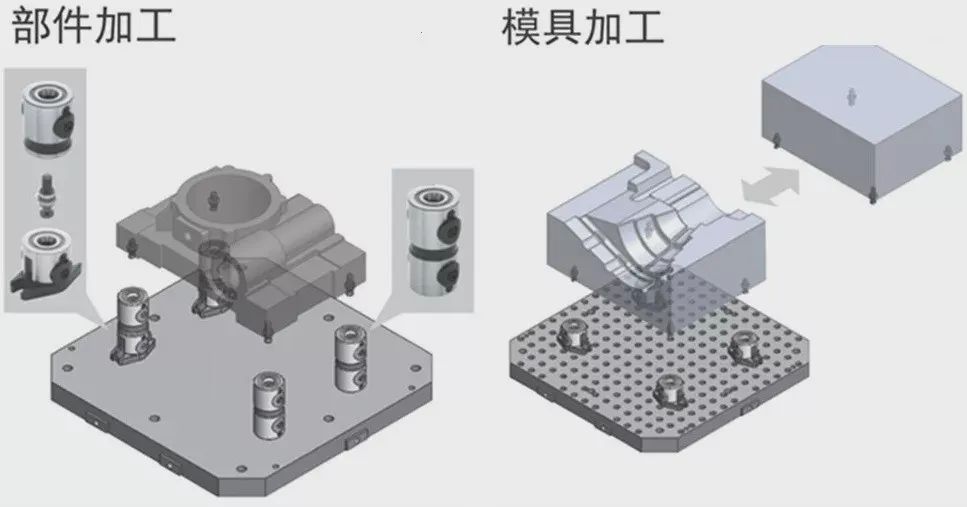
When using a 5-axis machining machine for multi face simultaneous processing or mold processing, in order to prevent the influence of fixtures and tools on the processing, it is generally more appropriate to choose to use hole clamping. Compared with clamping from above and from the side of the workpiece, using hole clamping generates less load on the workpiece and can effectively deform it.
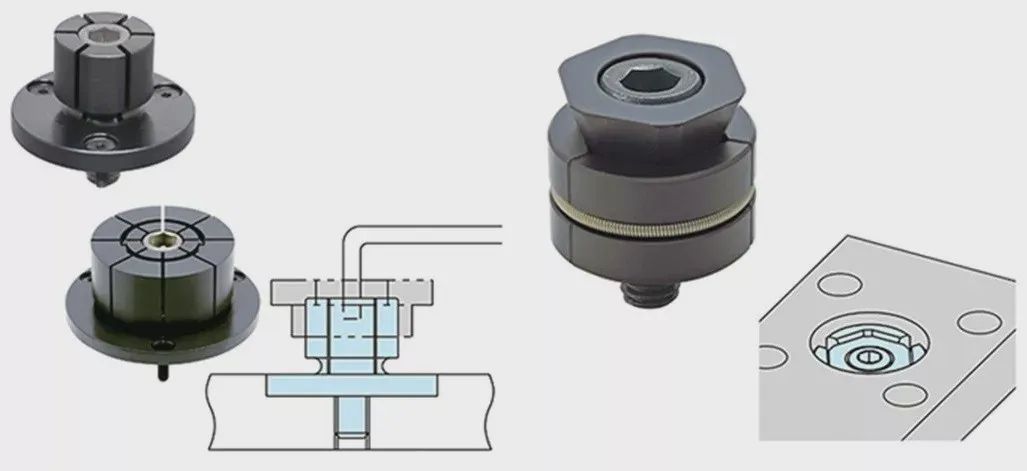
2, Pre clamping
3, Precautions when selecting clamps
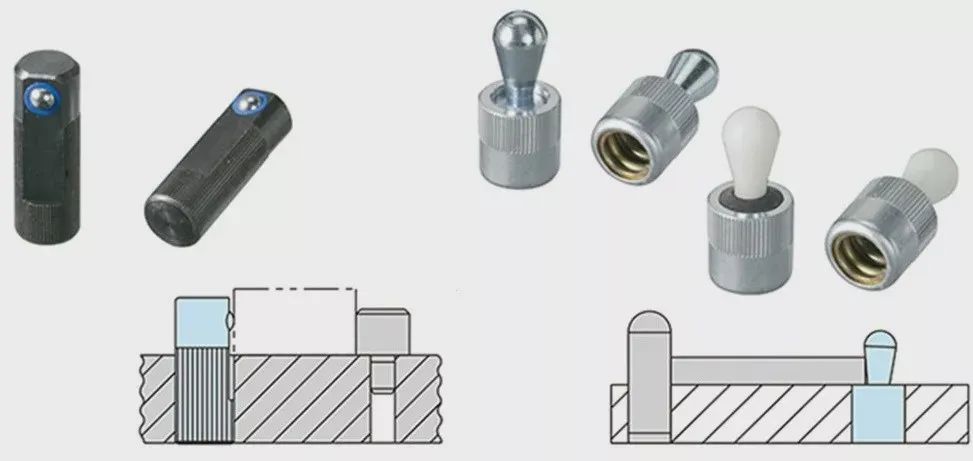
When using multiple types of clamps within the same fixture, the tools used for clamping and loosening must be consistent. For example, as shown in the left figure, when using multiple tool wrenches for clamping operations, the overall burden on the operator will increase, and the overall clamping time of the workpiece will also be longer. For example, in the image on the right, unify the tool wrench and bolt size to facilitate on-site operators.