


1.
To ensure high-quality surface finish, operators need to remove an appropriate amount of material during rough and semi precision machining stages, so that precision machining can be carried out with minimal or minimal errors. Any problem can lead to poor surface quality.
2.
Compared to rough machining applications, many brands tend to reduce speed, which is a common error in precision machining operations. Improving speed is necessary to achieve high-quality surface finish.
3.
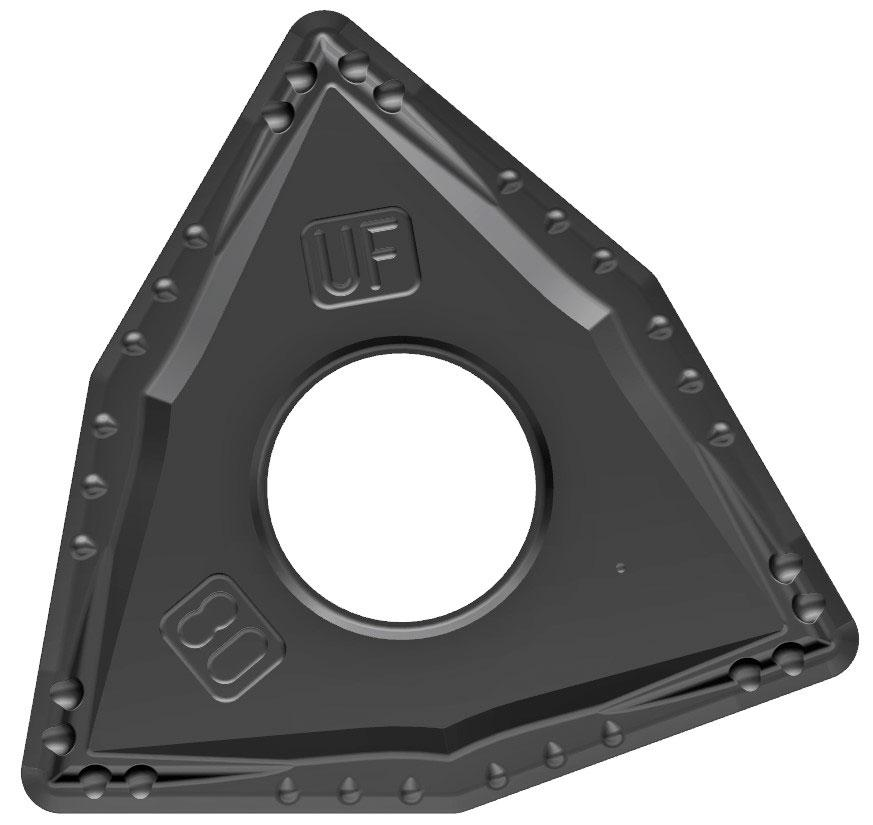
Using branded blades can help produce better cutting results. On the other hand, discussing new applications with blade manufacturers can help determine which blade will produce high-quality surface finish in turning operations, thus selecting the appropriate blade. The processing conditions and part materials determine which type of blade is suitable, but some general features can be recommended during the precision machining stage.
As long as the geometric shape of the part allows, larger radii are usually preferred during precision machining. A larger radius helps to level the material more effectively, almost like a wiper. By using a larger tool tip radius, you can slightly increase the feed rate while still maintaining a higher surface quality. However, in thin-walled applications, smaller tool tip radii can reduce radial cutting forces, which may lead to skewing and vibration, thereby having a negative impact on surface smoothness.
4.
Using branded blades can help produce better cutting results. On the other hand, discussing new applications with blade manufacturers can help determine which blade will produce high-quality surface finish in turning operations, thus selecting the appropriate blade. The processing conditions and part materials determine which type of blade is suitable, but some general features can be recommended during the precision machining stage.
As long as the geometric shape of the part allows, larger radii are usually preferred during precision machining. A larger radius helps to level the material more effectively, almost like a wiper. By using a larger tool tip radius, you can slightly increase the feed rate while still maintaining a higher surface quality. However, in thin-walled applications, smaller tool tip radii can reduce radial cutting forces, which may lead to skewing and vibration, thereby having a negative impact on surface smoothness.
5.
6.
When it comes to physical vapor deposition (PVD) and chemical vapor deposition (CVD) coatings, CVD coatings are often much thicker than PVD coatings. Compared to thinner coatings, thicker coatings face greater challenges in producing high-quality surface finish, and this is always the case. Due to the adhesion of the coating, PVD produces better surface smoothness than CVD coating. PVD blades have a complete coating on all surfaces, while chemical vapor deposition reduces the coating on the micro geometry, thereby altering the shape of the micro geometry.
7.
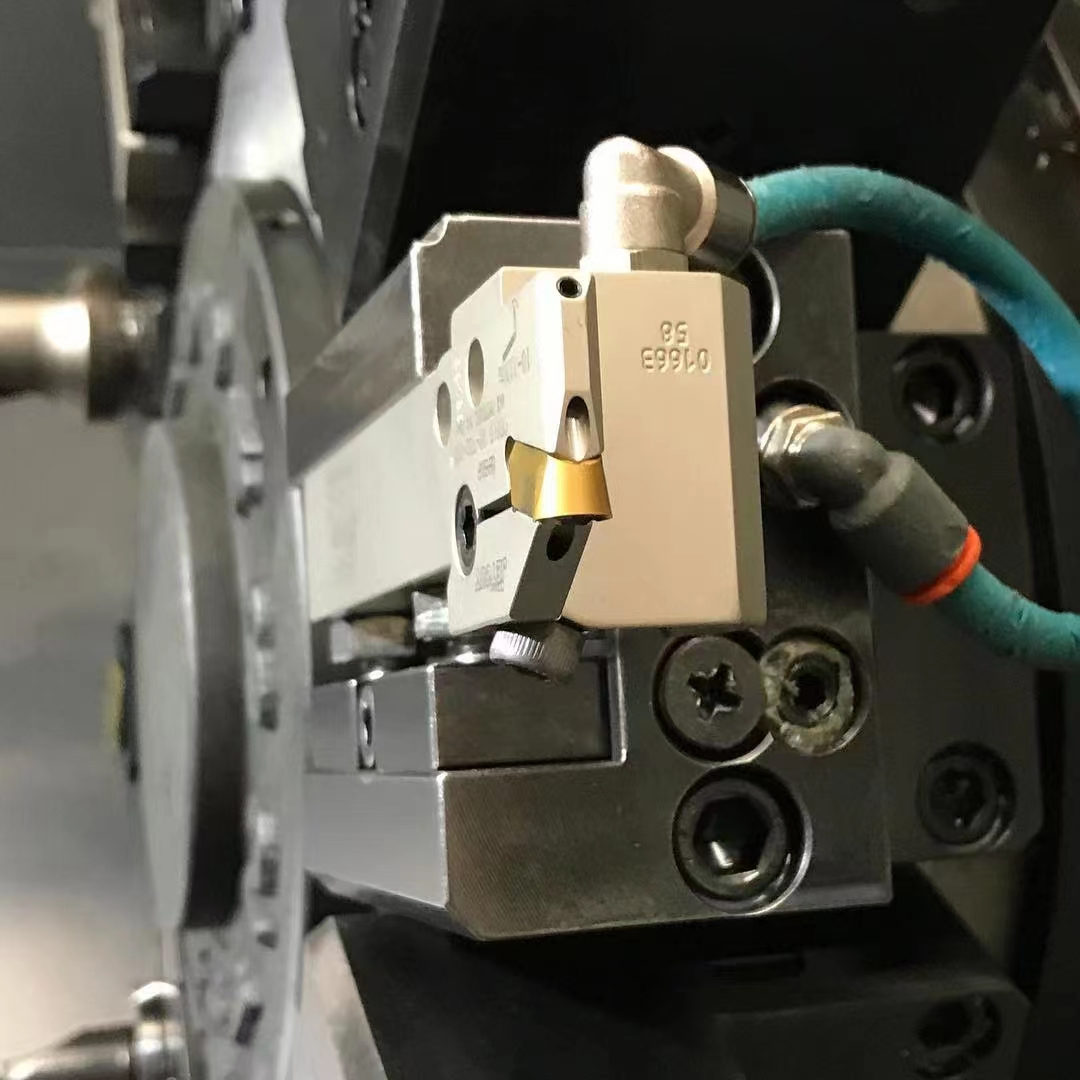
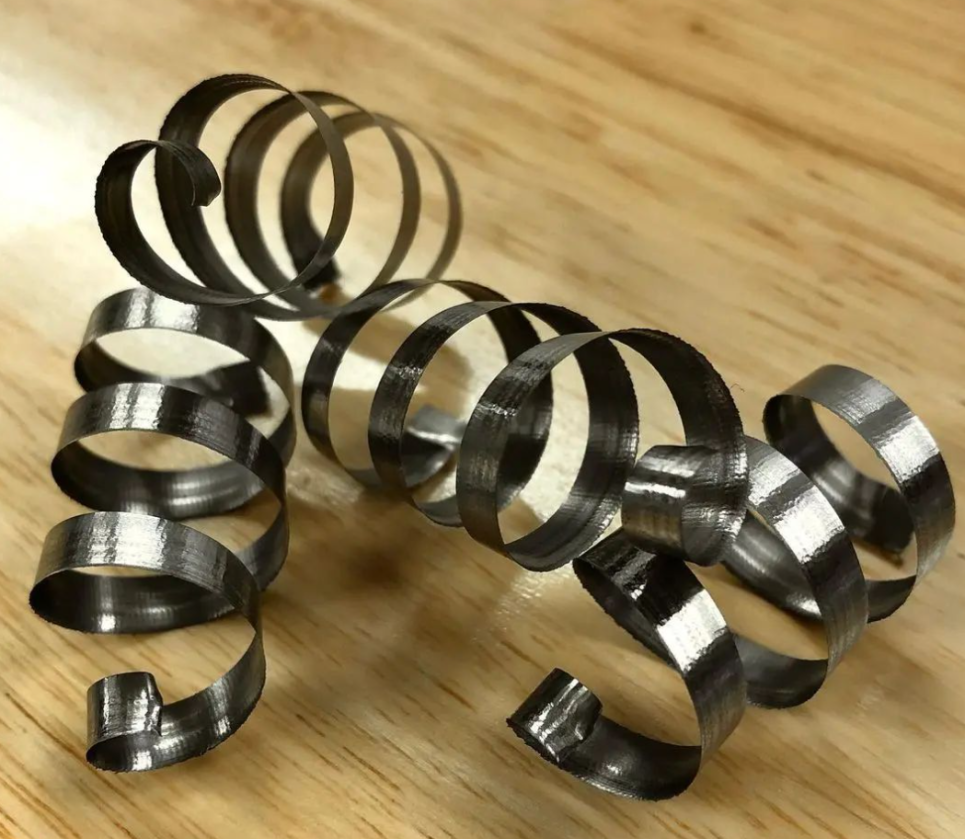
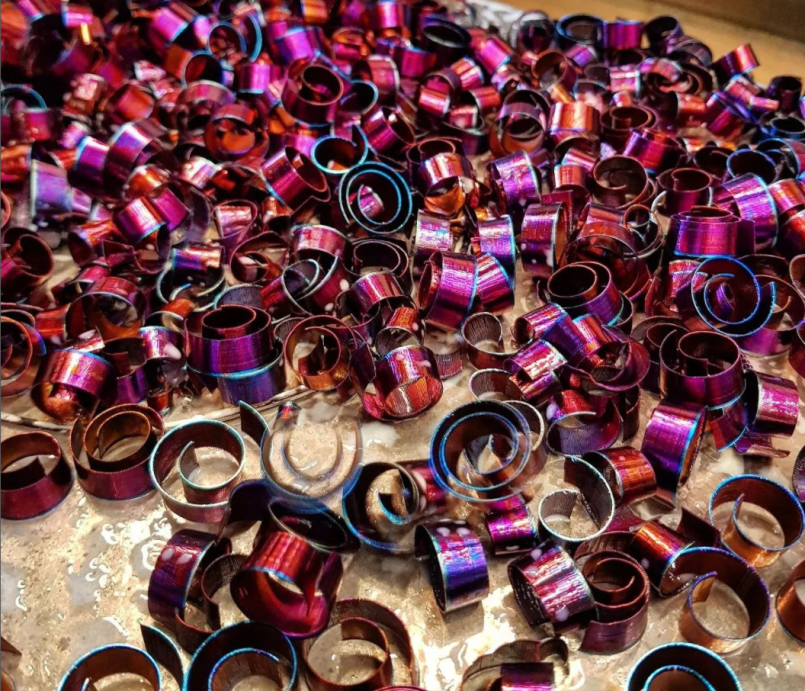
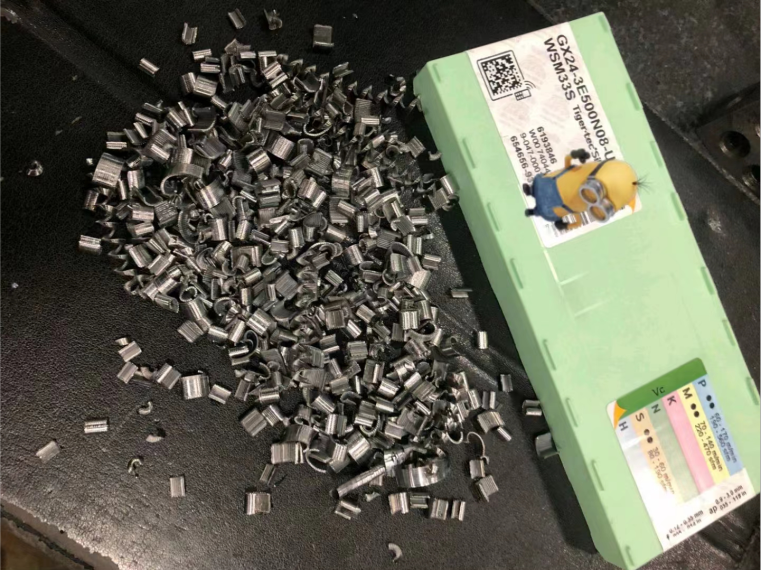
For most turning operations, it is recommended to align the high-pressure coolant directly with the cutting edge. This helps to remove chips from the cutting area. Chip control is crucial for maintaining high-quality smoothness. Removing chips can prevent the tool from touching the chips again, which may damage the cutting edge of the tool. It can also prevent chips from curling around the tool and moving on the surface of the workpiece, which may cause scratches or defects in polishing.
"Cooling fluid helps to maintain the cooling of parts and tools, so you can cut at a faster speed. If the equipment cannot use high-pressure cooling, conventional or internal cooling methods are also the best choice."
Cooling fluid is not recommended for all applications. For turning hardened materials - any material exceeding HRC50 should avoid using ceramic tool coolant as it has a tendency to heat shock the tool, which may lead to tool fracture. However, if the material is on the soft side, ceramic blades can be used for coolant.
8.
Many people agree that the tool holder and fixture play an important role in achieving high-quality surface finish. If the fixture is not rigid enough, it can cause vibration, which may affect the smoothness. It is equally important to ensure that the blade clamp has the shortest possible overhang to help maintain its rigidity. The workpiece and cutting tools should be adequately supported so that there is no vibration during the precision machining process.
9.
Another thing to consider here is directional force. In the final stage, you should apply as much force as possible along the axial direction of the part, as this will give you the stability you need. Choosing a blade with an entry angle close to 0 degree will allow you to gain greater force along the axis, but you also need to increase the back clearance of the blade to achieve high-quality surface finish.


